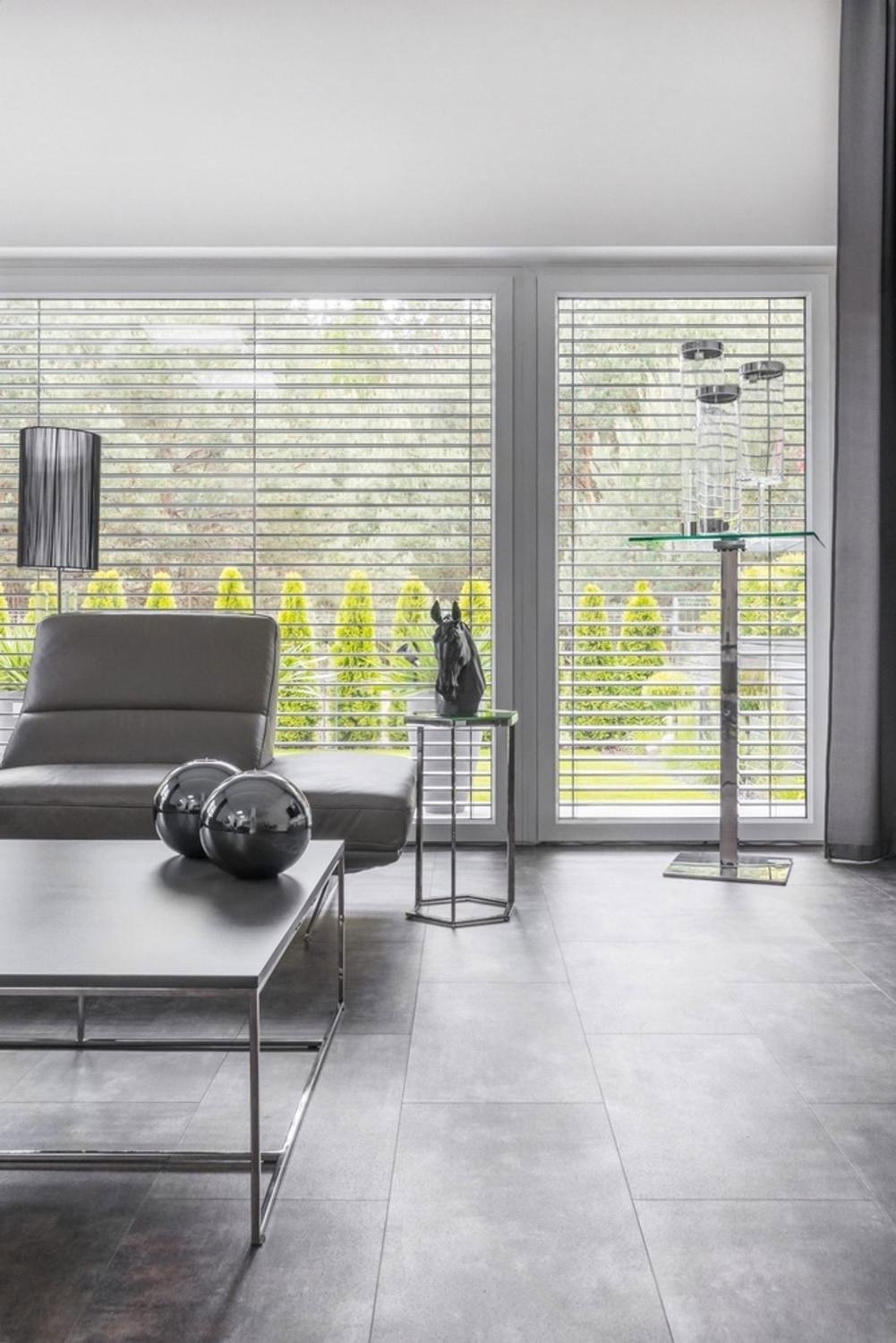

Home security in the UAE
Where villas are actually broken into, and what to reinforce first
A private house has more weak points than most owners realise. Doors, ground-floor windows, garden walls and the roof line all sit on the list of intruder favourites. Closing those gaps in the right order matters more than buying expensive gadgets.
Why villas get targeted
The pattern behind residential break-ins
Detached villas in Dubai, Abu Dhabi and Sharjah share a common layout: a walled plot, a driveway, a ground-floor living area with wide glazing, and bedrooms on the first floor. That layout is comfortable, but from an intruder’s point of view it also offers several tempting shortcuts. According to general residential burglary data most forced entries happen at the front door or a ground-floor window, and the whole event is usually over in under ten minutes.
The point of a security plan is not paranoia. It is to make your house a slower, noisier, more visible target than the next one. That is usually enough.
When these weak points matter most
During long trips
Summer travel out of the UAE leaves villas empty for weeks. Uncollected deliveries and dark windows are visible signals.
Early evening hours
The window between sunset and full darkness is when most opportunistic entries happen, before residents are home from work.
Ongoing renovation
Contractors coming and going means gates, side doors and windows are often left unlocked or propped open.
What to expect from a security review

Bedroom and rear windows
Ground-floor bedrooms facing the garden are a frequent entry point, especially where curtains stay drawn and the yard is not lit.
A proper review walks the property the way an intruder would. It starts at the boundary wall, looks at the gate mechanism, then the driveway, then every ground-floor opening, and only afterwards moves to alarms, cameras and safes. Skipping straight to a camera system is the most common mistake owners make.
Expect the list of weak points to include not just doors and windows but also skylights, air-conditioning access panels, garage side doors, and any tree or pergola that gives easy access to a first-floor balcony.
Step by step: how to reinforce a private house
- Walk the perimeter first. A high wall, an unclimbable gate and clear sight lines matter more than any indoor gadget. Trim vegetation that hides the fence from the street.
- Upgrade the front door. Replace the standard hollow leaf with an armoured door, a multi-point lock and reinforced hinges. This is the single biggest deterrent you can buy.
- Fit anti-intrusion glazing on the ground floor. Laminated security glass and reinforced frames turn the second-most-common entry point into a slow, noisy problem for anyone trying to force it.
- Add perimeter cameras with wide coverage. Mount them along the top of the wall so the whole plot is visible, including the driveway and any blind corner behind the villa.
- Install a monitored alarm. Contact sensors on doors and windows, plus motion detectors inside the ground floor, connected to a monitoring service that can dispatch security or notify police.
- Secure valuables separately. Even a well-defended villa needs an internal last line of defence. Consider certified luxury home safes in Dubai for documents, jewellery and small electronics.
Vulnerability at a glance
| Area | Risk level | Priority upgrade |
|---|---|---|
| Front door | High | Armoured door, multi-point lock |
| Ground-floor windows | High | Laminated security glass |
| Perimeter wall & gate | High | Height, anti-climb top, cameras |
| Garage side door | Medium | Deadbolt, contact sensor |
| First-floor balconies | Medium | Remove climbing aids, add sensor |
| Skylights & roof access | Low to Medium | Reinforced frame, alarm contact |
| Interior valuables | Medium | Certified home safe |
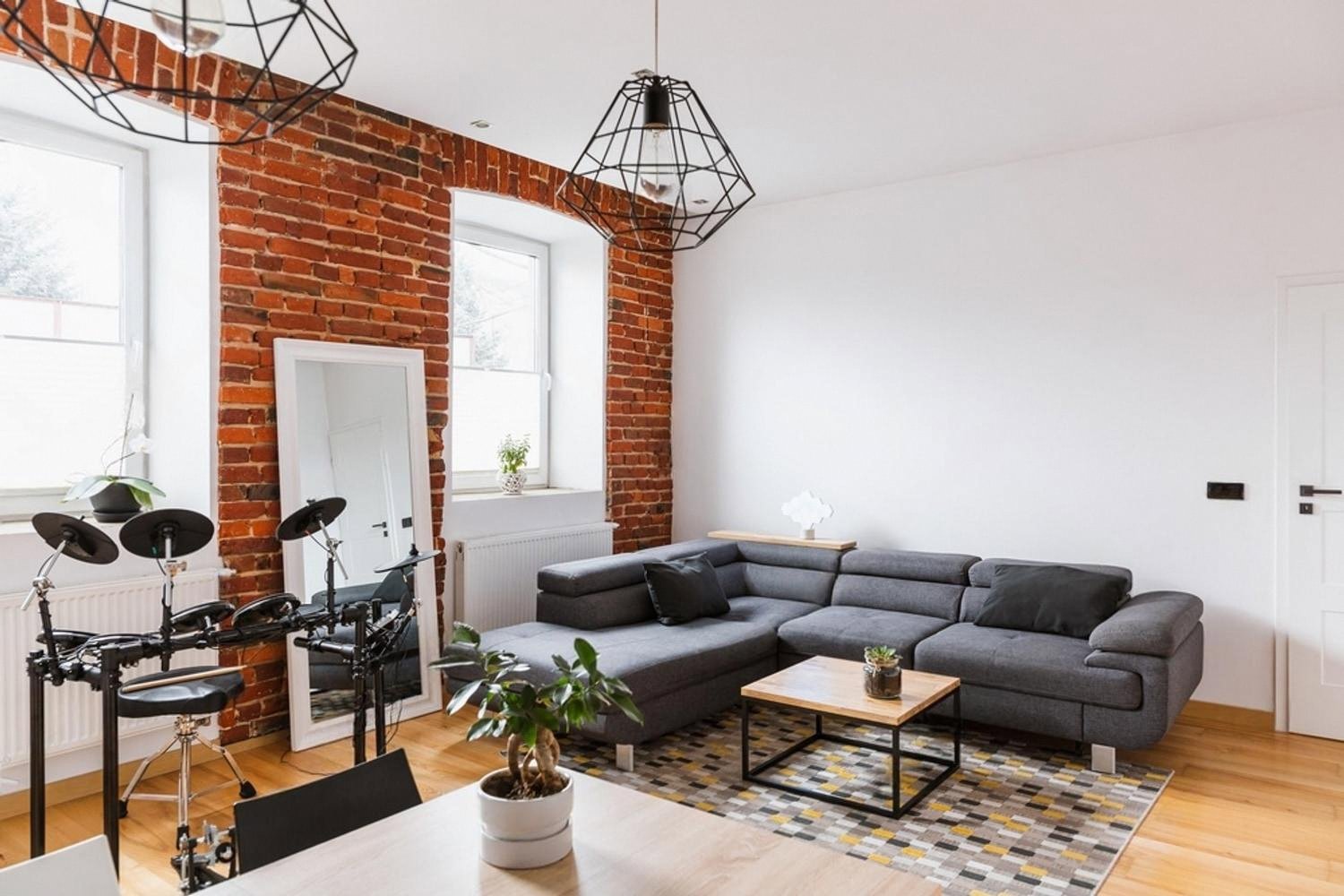
Interior sight lines
Open-plan ground floors are pleasant to live in, but they also let anyone standing at the boundary see straight through to the valuables. Blinds, film on the glass and interior positioning of expensive items all help.
Rules of thumb
What actually deters an intruder
- Time. Every extra minute a door or window takes to force pushes the risk higher for the intruder.
- Noise. A siren going off within seconds of a breach is often enough to end the attempt.
- Visibility. Good lighting and clean sight lines from the street mean neighbours or patrols see what is happening.
- Response. A monitored alarm tied to a security company or the police turns a break-in into a race the intruder cannot win.
The short version
Fix the boundary, the door and the ground-floor glass first
If you do nothing else, do those three. Everything after that, cameras, alarms, safes, monitoring, is layered on top of a physically hard shell. A villa that takes real time and noise to enter almost never gets entered at all.
Frequently asked questions
Which part of a private villa is broken into most often?
The front door is the single most common entry point, followed by ground-floor windows facing the garden or a side alley. Both are usually chosen because they are quick to force and out of view from the street.
Are ground-floor windows really that risky in a walled UAE villa?
Yes. A perimeter wall slows an intruder down, but once someone is inside the plot the ground-floor windows are the fastest way in. Standard glass and aluminium frames give way in seconds. Laminated security glass in a reinforced frame changes that completely.
Is a camera system enough on its own?
No. Cameras document what happened, and can deter opportunists, but they do not stop a determined intruder. Cameras work best as part of a layered setup: physical reinforcement first, alarm second, cameras and monitoring on top.
How high should the boundary wall of a villa be?
Follow the local municipal rules in your emirate, which set the maximum height. Within that limit, aim for the tallest wall you are allowed, avoid horizontal ledges that make climbing easier, and keep the top of the wall lit and visible to cameras.
Do I need a home safe if I already have an alarm?
A safe is your last line of defence for items you cannot replace: passports, title deeds, jewellery, watches, small electronics. Even with a strong alarm, an intruder who is inside the house for a few minutes can grab a lot. A certified safe bolted to structure protects what matters most.
What about the roof and skylights?
Roof access is less common but not zero, especially where a neighbouring wall or a pergola makes climbing easy. Skylights should have reinforced frames and a contact sensor tied into the alarm, and any climbing aid next to the building should be removed or blocked.
How do I secure the villa while travelling for the summer?
Set lights on timers, ask a neighbour or a service to collect deliveries, close all shutters and blinds, arm the full alarm system including interior motion sensors, and make sure your monitoring contract is active. Do not announce the trip on public social media.