

The UAE’s higher education system has changed dramatically in recent decades. Universities are striving to attract the best students, competition between them is growing, employers are demanding specialists who are ready for practical tasks, and families want to be sure that the invested funds will pay off and bring results. In such a tense and dynamic environment, accreditation becomes the foundation of trust. It turns into a quality guarantee, a symbol of sustainability and an instrument of recognition at the international level.
What Does Accreditation Mean And Why Is It Needed

Accreditation is not a one-time procedure. This is a systematic and rigorous audit conducted by independent agencies. Literally everything is analyzed: curricula, teacher qualifications, infrastructure, student support system, university management. The main goal is to meet high standards and be ready for constant change. The university must prove that it is able to maintain quality and adapt to the challenges of the times. Only in this case the diploma becomes a valuable document recognized outside the country, whether it is awarded in a major city or by a respected university in Ajman.
Constant Checks And Internal Self-Assessment

The UAE’s accreditation system is designed so that the university cannot remain static. Regular inspections are becoming the norm, and self-assessment is becoming a part of the academic environment. Curricula are being updated, teachers are developing professional skills, and infrastructure is being improved. This process is continuous and requires constant adaptation. Thanks to it, students gain practical knowledge and skills that remain valuable in a dynamic labor market.
Reputation And Trust

Accreditation directly shapes the image of an educational institution. For students and parents, this is a sign of quality. Accreditation confirms to employers that graduates really have applied knowledge and skills. Diplomas issued by such universities are recognized internationally. And the possibility of transferring credits to other universities provides students with flexibility and new ways to continue their studies.
Control Over Accreditation
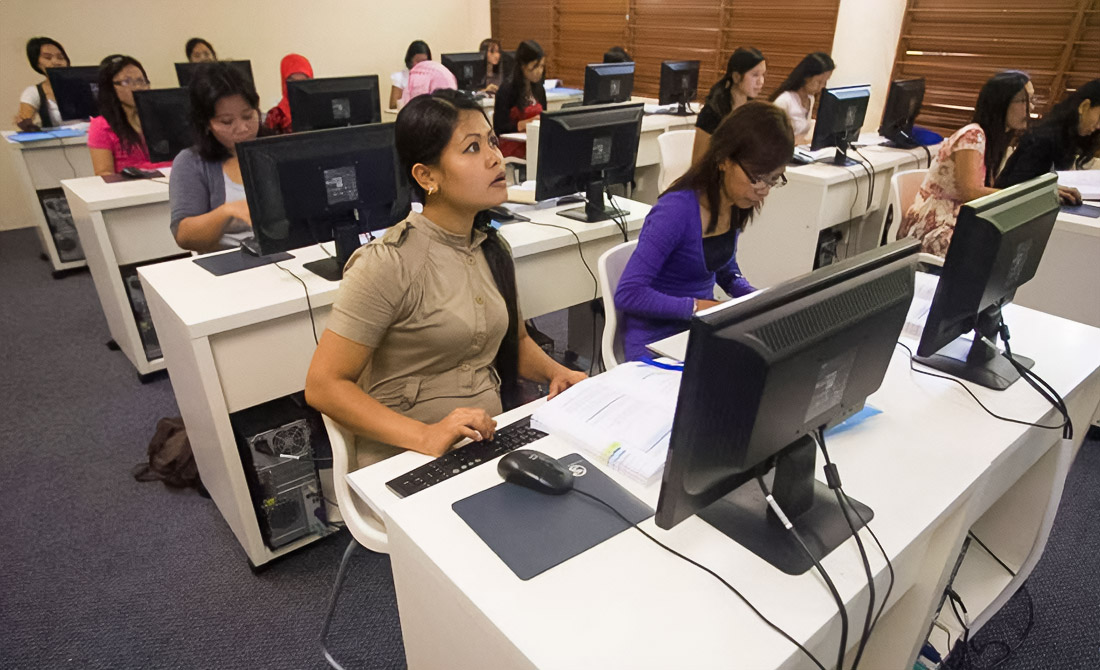
Control over accreditation is divided between several government agencies. The Commission on Academic Accreditation (CAA) reviews the programs and confirms their compliance with high standards. The Ministry of Education forms a quality policy and sets national priorities. The Knowledge and Human Development Authority (KHDA) plays an important role in Dubai, conducting regular inspections and monitoring. Such a multi-level system creates transparency, builds trust, and prevents stagnation.
Student Support And Infrastructure

Accreditation requires universities to not only have strong programs and experienced faculty. Infrastructure is also important. Modern campuses, access to resources, and academic and personal support for students are prerequisites. The university must demonstrate that it meets not only the formal criteria, but also the expectations of students and the requirements of employers.
Accreditation in the UAE is not a formal paper verification procedure. It is a complex system based on regular inspections, high accountability and continuous development. It preserves the value of education, makes it competitive, strengthens the position of universities and guarantees international recognition of diplomas. Thanks to accreditation, studying in the UAE becomes a reliable investment that brings real results and does not lose relevance over time.